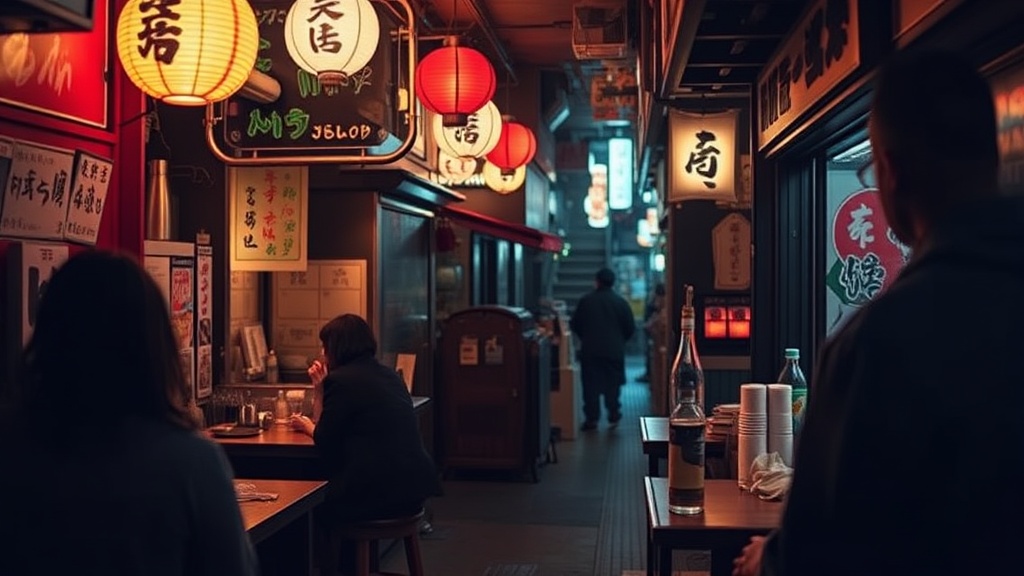
The Ultimate Guide to Navigating Tokyo's Hidden Izakaya Scene

If you have ever tried to coordinate a group dinner in a major metropolitan area, you know that "logistics" is often a polite euphemism for "chaos management." In my former life as a project manager, I dealt with construction timelines and resource allocation. Today, I apply those same principles to group travel. When I look at a city like Tokyo, I don't just see a destination; I see a complex, high-density logistical puzzle. Specifically, the world of the Izakaya—Japan’s ubiquitous informal gastropubs—can be a minefield for the uninitiated.
An Izakaya is more than just a bar. It is a social hub where the menu shifts from small plates to hearty meals, and the atmosphere transitions from quiet afternoon sipping to high-energy evening revelry. For a group traveling together, navigating these narrow, often unmarked establishments requires more than just an appetite; it requires a strategy. Whether you are looking for a high-end experience in Ginza or a gritty, smoke-filled gem in Shinjuku’s Golden Gai, this guide will ensure your group avoids the common pitfalls of dining in Tokyo.
Understanding the Izakaya Hierarchy
Before you book a table or wander into a side alley, you need to understand that not all Izakayas are created equal. In the world of group travel, knowing your "venue specs" is the difference between a seamless evening and a frustrated group of hungry travelers.
1. The Tachinomiya (Standing Bars)
These are the high-efficiency models of the Tokyo dining world. They are small, often crowded, and you dine while standing. While they are excellent for a quick drink and a snack, they are a logistical nightmare for groups larger than three. If your group is looking to decompress after a long day of sightseeing, I recommend treating a Tachinomiya as a "pre-game" rather than the main event. If you are worried about maintaining energy levels during long transit days, you might find that adjusting your rhythm through syncing your meals with your body clock helps you better appreciate these high-energy environments.
2. The Traditional Izakaya
These are the standard-bearers. They offer seated tables, a wide variety of cooked dishes (yakitori, sashimi, tempura), and a relaxed atmosphere. These are the best options for groups of 4 to 6. They provide the structure needed to actually enjoy conversation without having to shout over a crowd.
3. The High-End/Modern Izakaya
Located in districts like Roppongi or Shibuya, these establishments lean more toward the "gastropub" or "bistro" style. The service is more polished, the ingredients are often premium, and—crucially—they are much more likely to accept reservations. For a group trip, I always advocate for at least one "anchor" reservation per trip to ensure the group isn't wandering the streets looking for a seat at 9:00 PM.
The Logistics of Group Dining in Japan
In my experience, the biggest failure point in group travel isn't the destination; it's the lack of a standardized operating procedure. When dining in Tokyo, you must account for three specific variables: space, payment, and etiquette.
Managing Space and Reservations
Tokyo is a city of micro-spaces. Many of the best Izakayas are tucked away in basements or on the fourth floor of nondescript buildings. If you are traveling with a large party, do not attempt to "wing it." Most authentic, small-scale Izakayas do not have the capacity to accommodate a walk-in group of eight. If you haven't already mastered navigating Japan with a large group, let this be your first lesson: reserve early. Use apps like Tabelog or even your hotel concierge to secure a spot. If you can't find a place for the whole group, split into two smaller groups and meet at a nearby landmark for a post-dinner drink.
The "Otoshi" (The Mandatory Cover Charge)
One of the most common "budget leaks" for travelers in Japan is the Otoshi. When you sit down, the server will bring a small, inexpensive dish. This is not a free appetizer; it is a mandatory seating fee, usually ranging from 300 to 500 yen per person. This is a standard part of the service and is not a mistake by the waiter. It is a vital detail to keep in mind when tracking your group's daily spending. For more tips on keeping your group's finances on track, check out my breakdown of 5 group trip budget pitfalls.
Ordering Like a Pro
In an Izakaya, you don't just order one entree. The goal is to share multiple small plates. To keep the flow efficient, I recommend a "Lead Orderer" strategy. Instead of everyone shouting orders at once, one person takes the lead, gathers the requests, and communicates with the staff. This reduces friction and ensures the kitchen isn't overwhelmed by fragmented requests.
Navigating the Hidden Neighborhoods
To find the truly exceptional spots, you have to move away from the neon lights of the main thoroughfares. Here are three districts where the "hidden" scene thrives:
- Shinjuku (Golden Gai): A network of tiny alleys filled with hundreds of miniature bars. It is visually stunning but can be overwhelming. It is best suited for small groups or solo travelers.
- Ebisu: Often overlooked by the heavy tourist crowds, Ebisu offers a more sophisticated, "local professional" vibe. This is where you go for high-quality seafood and a slightly more relaxed pace.
- Shimokitazawa: If your group enjoys a more bohemian, hipster atmosphere, this is the place. The Izakayas here are often more experimental and less formal, perfect for a younger or more adventurous crowd.
When moving between these neighborhoods, especially if you are carrying gear or shopping hauls, ensure you have organized your belongings. I often suggest reviewing the ultimate group adventure gear kit to ensure your transit between districts is as streamlined as possible.
Essential Etiquette for the Respectful Traveler
A successful group trip relies on the group's ability to blend into the local culture rather than disrupting it. Following these simple rules will earn you respect from the staff and the locals around you.
- The First Toast (Kanpai!): Do not start drinking immediately. Wait until everyone has a full glass and the group can collectively say "Kanpai!" It is a ritual that builds camaraderie.
- Pouring for Others: It is customary to pour drinks for your companions rather than yourself. If you see a teammate's glass is low, offer to pour. This is a small gesture that significantly improves group cohesion.
- Noise Management: While Izakayas are social and can be loud, avoid excessive shouting or "group volume" that drowns out other patrons. You want to be part of the energy, not a disruption to it.
- Handling Chopsticks: Never stick your chopsticks vertically into a bowl of rice—this is a ritual associated with funerals. Also, avoid passing food directly from one set of chopsticks to another.
"The beauty of the Izakaya isn't just in the food; it's in the orchestrated chaos of shared experience. To master it, you must respect the rhythm of the room."
Final Checklist for a Successful Night Out
Before you head out for your evening adventure, run through this quick logistical checklist to ensure the group is prepared:
- Cash is King: While many larger establishments now accept credit cards, many of the best "hidden" Izakayas are cash-only. Ensure everyone in the group has sufficient Yen.
- Connectivity: Ensure everyone has the address of the venue saved offline on Google Maps. In the narrow alleys of Shinjuku, GPS can occasionally struggle.
- Dietary Awareness: If anyone in your group has allergies, be aware that Japanese cuisine often uses soy, dashi (fish stock), and wheat. If you are traveling during a season where environmental factors might affect your group's comfort, keep your allergy-friendly resources handy to manage any unexpected reactions.
- The Exit Strategy: Know the last train schedule. Tokyo's nightlife is incredible, but the logistical headache of a group trying to find a taxi at 1:00 AM is something I highly recommend avoiding.
Navigating Tokyo's Izakayas is an art form. By approaching the evening with a mix of curiosity and a project manager's precision, you turn a simple dinner into a highlight of your entire trip. Eat well, drink responsibly, and enjoy the organized chaos of one of the world's greatest food cities.