Allergy‑Friendly Spring: Herbal Remedies & Indoor Gardens for Easy Breathing

Ever feel like spring sneezes are sabotaging your adventure plans? You’re not alone—pollen counts are soaring, but you don’t have to let nature win.
Allergy season hits hard, especially for guys who spend weekends hiking, camping, or just enjoying a backyard BBQ. The good news? A few carefully chosen herbs and a modest indoor garden can turn your home into a low‑pollen sanctuary and give you natural relief without a pharmacy trip.
Which Herbs Are Low‑Allergen and Worth Growing?
When it comes to spring allergies, the goal is to avoid plants that release a lot of pollen while still getting the therapeutic benefits of aromatics. Here are three low‑allergen power‑houses:
- Basil (Ocimum basilicum) — Sweet, versatile, and pollen‑light. Its essential oils contain eugenol, which has anti‑inflammatory properties. Read more about basil’s benefits.
- Mint (Mentha × piperita) — Peppermint or spearmint are both low‑pollen and great for soothing nasal passages when brewed as a tea.
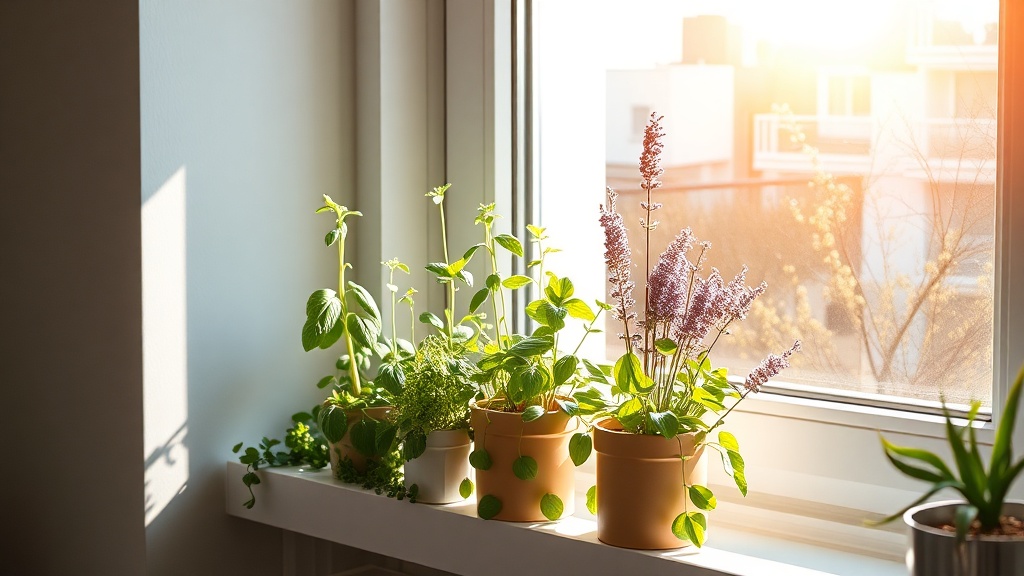
- Lavender (Lavandula angustifolia) — While technically a flower, its pollen output is minimal. A few sprigs on a windowsill release calming linalool that eases breathing.
"I grew a tiny basil‑mint‑lavender trio on my balcony and noticed my sneezes drop by half within a week." — Marcus, founder of Guy Trip Blog
How to Set Up a Small Indoor Garden for Allergy Relief
- Pick the Right Spot — A south‑facing windowsill with 4‑6 hours of indirect morning light works best.
- Choose Containers — Use shallow, well‑draining pots (3‑4 inches deep). Terracotta helps regulate moisture.
- Soil Mix — A 1:1 blend of potting soil and perlite keeps roots aerated and reduces mold, which can aggravate allergies.
- Planting Schedule — Start seeds in early March; transplant seedlings once they have 2‑3 true leaves.
- Maintenance — Water when the top inch feels dry, trim regularly to prevent flowering (which spikes pollen), and harvest leaves for teas or culinary use.
Pro tip: Place a small fan nearby to circulate air. Fresh herb scent combined with gentle airflow creates a mini‑air‑purifier effect.
Herbal Remedies You Can Use Right Now
- Basil Tea: Steep a handful of fresh leaves in hot water for 5 minutes. Drink twice daily to reduce histamine response.
- Mint Inhalation: Boil water, add a few mint leaves, cover your head with a towel, and inhale the steam for 3‑4 minutes.
- Lavender Diffuser: Add 5‑10 drops of lavender essential oil to a diffuser in your bedroom. The scent helps open nasal passages and improves sleep quality.
Frequently Asked Questions
Which herbs are truly low‑allergen for spring allergies?
Basil, mint, and lavender are among the lowest pollen producers while still offering anti‑inflammatory compounds.
How do I set up an indoor herb garden without turning it into a jungle?
Follow the five‑step setup above, keep pots shallow, and prune before any flower buds appear.
Can these herbal remedies replace my allergy meds?
They can reduce symptoms for mild cases, but if you have severe reactions, keep your prescribed medication on hand and consult a doctor.
Bottom line: A modest windowsill garden of basil, mint, and lavender gives you fresh flavor, a pleasant scent, and a natural ally against spring pollen. Set it up this week, start the simple teas, and breathe easier on your next group adventure.
- For a deeper dive into indoor herb growing, check out our Mini Indoor Herb Garden guide.
- Want to sync your whole wellness routine? Our Spring Bio‑Harmony 7‑Day Meal Plan aligns meals with circadian rhythms for optimal immunity.
- Need a flawless itinerary for your next group trip? Grab the Master Itinerary Spreadsheet.