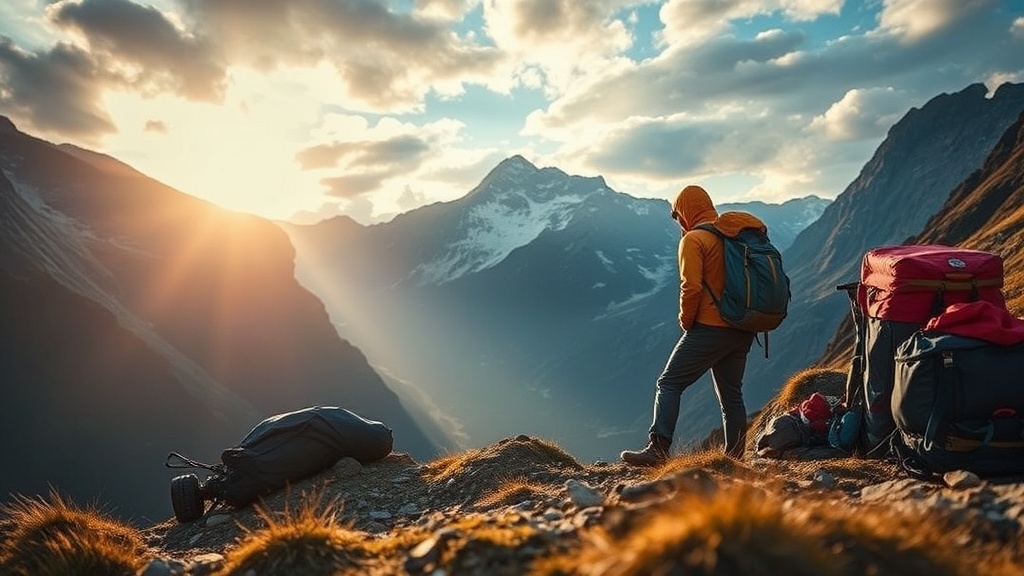
How to Pack the Ultimate Group Adventure Gear Kit

The Logistics of Readiness: Why Group Gear Fails and How to Fix It
In my previous life as a project manager, I learned that a project doesn't fail because of a lack of vision; it fails because of a lack of resource management. I see the same pattern in group travel. A group of six friends heads out for a weekend hiking trip, and by Saturday afternoon, someone has forgotten the portable charger, two people are sharing one mediocre first-aid kit, and the group is stuck eating lukewarm gas station sandwiches because no one packed a communal food storage system.
I believe a perfectly executed itinerary is a love language, but a perfectly executed gear kit is the foundation of that love. When you are traveling with a group—whether it is a family of five or a dozen friends—you cannot rely on individual "winging it" mentalities. You need a centralized, standardized approach to gear. This isn't just about being prepared; it’s about preventing the friction that ruins group dynamics.
In this guide, I am going to break down the construction of a "Group Adventure Gear Kit." We will move away from the chaos of individual packing and toward a structured, tiered system of shared and personal assets.
Phase 1: The Tiered Inventory System
The biggest mistake groups make is assuming everyone will bring their own version of a necessary tool. This leads to redundancy (everyone brings a flashlight, but no one brings a lantern) or critical gaps (no one brings a multi-tool). To avoid this, I implement a three-tier inventory system.
Tier 1: The Communal Core (The "Master Kit")
The Communal Core is a single, high-durability kit that travels with the group leader or in a designated central vehicle. This kit contains the items that benefit everyone. If the group is heading to a high-altitude environment, this kit is your lifeline. For instance, if you are navigating high altitudes during a trek, your core kit must include specialized gear like pulse oximeters or altitude-adjustment aids.
- Navigation & Power: A high-capacity power bank (at least 20,000mAh), a physical topographical map of the area, a compass, and a dedicated GPS device.
- First Aid & Wellness: A professional-grade medical kit. This shouldn't just be Band-Aids; it needs trauma shears, antiseptic, and specialized items for seasonal shifts. If you are traveling during a high-pollen season, ensure your kit includes items for natural allergy relief to keep the group moving.
- Lighting: One high-lumen lantern for the campsite/base and two high-intensity headlamps for movement.
- Sanitation: A heavy-duty hand sanitizer station, biodegradable wipes, and a compact water filtration system (like a Sawyer Squeeze or Katadyn BeFree).
Tier 2: The Modular Sub-Kits
Instead of one massive, unmanageable bag, break the communal gear into sub-kits based on function. This allows for easier distribution. If you are traveling by car, you can keep the "Kitchen Sub-Kit" in the trunk and the "Tech Sub-Kit" in the passenger seat. This prevents the "where is the salt?" argument when you're three miles from the nearest grocery store.
- The Culinary Sub-Kit: Includes a lightweight stove, fuel, a single multi-pot, a coffee press, and a standardized set of spices.
- The Maintenance Sub-Kit: A multi-tool, duct tape, zip ties, a small sewing kit, and a basic toolset for fixing gear or vehicle issues.
Tier 3: The Individual Standard
As the organizer, you must set a "Minimum Viable Gear" standard for every participant. You aren't just telling them what to bring; you are setting the baseline for group safety. Every person should be responsible for their own "Personal Essentials" to ensure they aren't a burden on the communal kit.
Phase 2: Managing Environmental Variables
A gear kit is only as good as its ability to adapt to the environment. A kit designed for a summer trek in the Alps will be useless for a trip to the Arctic. When planning, you must look at the specific environmental stressors of your destination.
For example, if your group is planning an adventure in extreme northern latitudes, such as chasing the midnight sun in Iceland, your gear kit must prioritize light management and thermal regulation. In these environments, the "standard" gear list changes entirely. You aren't just packing for weather; you are packing for the psychological effects of the environment, such as disrupted sleep cycles due to constant daylight.
Pro-tip: Always check the local seasonal data 72 hours before departure. If a sudden temperature drop is forecasted, your "Individual Standard" list needs to be updated immediately via your group chat.
Phase 3: The Digital & Financial Logistics
Gear isn't just physical; it's also the digital infrastructure that keeps the group synchronized. I have seen many groups fall apart because the "leader" was the only one with the offline maps downloaded, or the only one who knew the booking confirmation numbers.
Before you even touch a suitcase, you should perform a digital audit. This is the time for spring cleaning your digital life to ensure all shared documents, maps, and travel itineraries are organized and accessible. Create a shared cloud folder containing:
- Offline Maps: Downloaded Google Maps or specialized hiking maps for the specific region.
- Documentation: Scans of passports, insurance cards, and emergency contact numbers.
- The Itinerary: A living document that includes check-in times, reservation numbers, and "Plan B" locations.
Furthermore, financial transparency is a vital part of "group gear." If the group is sharing a communal kit, the cost of that kit should be accounted for upfront. Don't let the "who owes whom" conversation derail the post-trip high. Address group trip budget pitfalls during the planning phase by using a shared expense-tracking app. This ensures that the person who bought the $50 communal stove isn't left out of pocket at the end of the week.
Phase 4: The Pre-Departure "Inspection"
In construction, we call this a "Pre-Task Briefing." Before the group leaves, hold a 15-minute meeting (virtual or in-person) to walk through the gear. This is not a suggestion; it is a requirement for a successful trip. During this meeting, you must verify three things:
- Ownership: Does everyone know exactly which items are "Communal" and which are "Personal"?
- Functionality: Has the stove been tested? Are the batteries in the headlamps fresh? (Never rely on "old" batteries for a group trip).
- Redundancy: If one person's water filter fails, does the group have a backup?
If you are traveling during a time of year when sleep patterns are shifting—such as around Daylight Saving Time transitions—use this meeting to discuss how the group will manage energy levels and rest. A group that is well-rested is a group that follows the gear protocols more effectively.
Summary Checklist for the Ultimate Group Kit
To ensure you haven't missed a single detail, use this high-level checklist during your final pack-out:
- Centralized Power: High-capacity bank, multiple cables, wall adapters.
- Navigation: Physical maps, compass, GPS, offline digital maps.
- Health/Hygiene: Professional first-aid, seasonal allergy relief, sanitation supplies.
- Cooking/Nutrition: Stove, fuel, water filtration, spice kit, food storage.
- Maintenance: Multi-tool, repair tape, fasteners, basic toolset.
- Digital Infrastructure: Shared folder, expense tracker, offline itinerary.
Precision in preparation is the difference between a trip that is remembered as a "great adventure" and one that is remembered as a "logistical nightmare." Apply these principles, respect the hierarchy of your gear, and your group will spend less time searching for a flashlight and more time enjoying the journey.
Steps
- 1
Create a Shared Digital Inventory
- 2
Categorize by Individual and Group Needs
- 3
Use Modular Packing Cubes
- 4
The Final Weight Check