
Stop Winging Group Trips: The One System That Prevents Money Fights and Logistics Chaos

Quick Tip
Create a single source of truth (spreadsheet, map, itinerary) before booking anything to eliminate chaos and conflict.
Look, here’s the reality: group trips don’t fall apart because of bad destinations—they fall apart because nobody owns the logistics. Flights get booked at different times, dinners turn into guesswork, and three weeks later someone’s sending a passive-aggressive Venmo request for $642. That’s how friendships take a hit.
The fix is not "better communication." The fix is a system. One system. You build it once, you run it every trip, and suddenly you’re the guy everyone trusts to plan without drama.

The One Tip (The Only Thing That Matters)
Create a single source of truth before anyone books anything.
That’s it. That’s the move. One document, one app stack, one place where every dollar, reservation, and decision lives. If it’s not in the system, it doesn’t exist.
I call it the Master Itinerary. And no—you don’t need to overcomplicate it. You just need to be disciplined.
What Goes Inside the System
This is where most planners screw it up. They either overbuild something nobody uses, or they keep everything in their head like a hero. Both fail.
The Play is simple—three layers:
- The Spreadsheet (Money): Every cost, split evenly or assigned. No surprises.
- The Map (Movement): Where you’re going, how you’re getting there, and backup routes.
- The Itinerary (Time): What happens each day, with reservations locked.
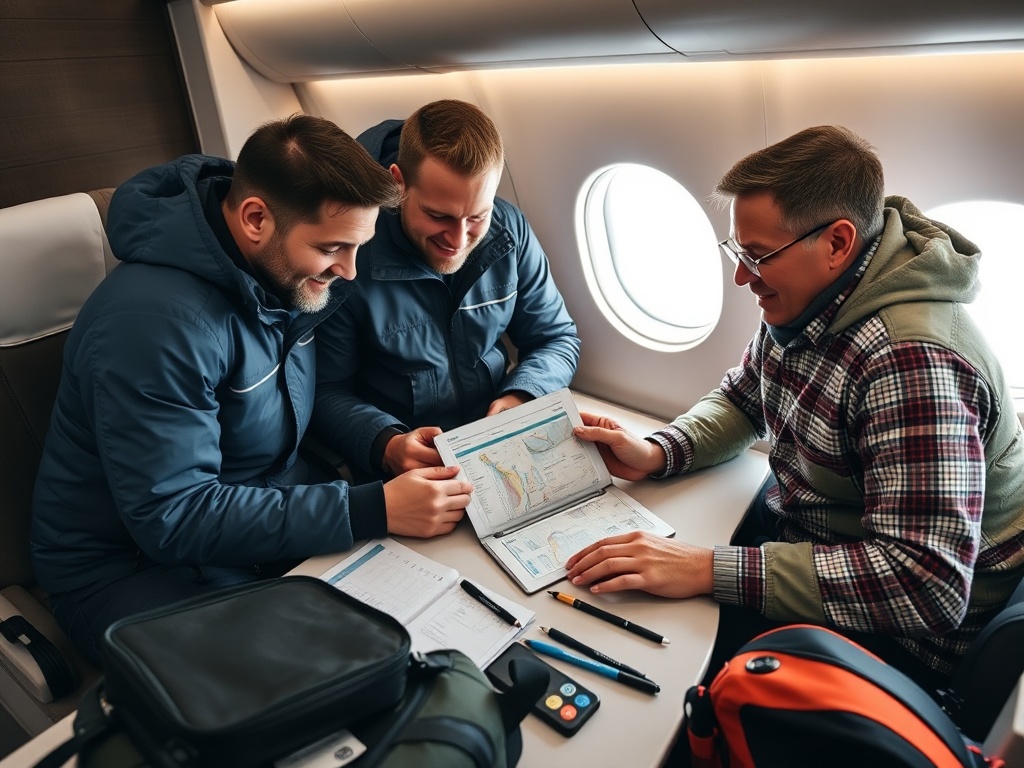
1. The Spreadsheet (Non-Negotiable)
If you don’t solve the money first, nothing else matters. This is where resentment lives.
You need three columns minimum:
- Expense (flight, Airbnb, rental car, groceries)
- Total cost
- Cost per head
Use Splitwise if your group is casual. If it’s a bigger trip ($1,500+ per head), build a Google Sheet and lock it down.
And here’s the key: everyone agrees to the budget before booking. Not after. Not "we’ll figure it out." Before.
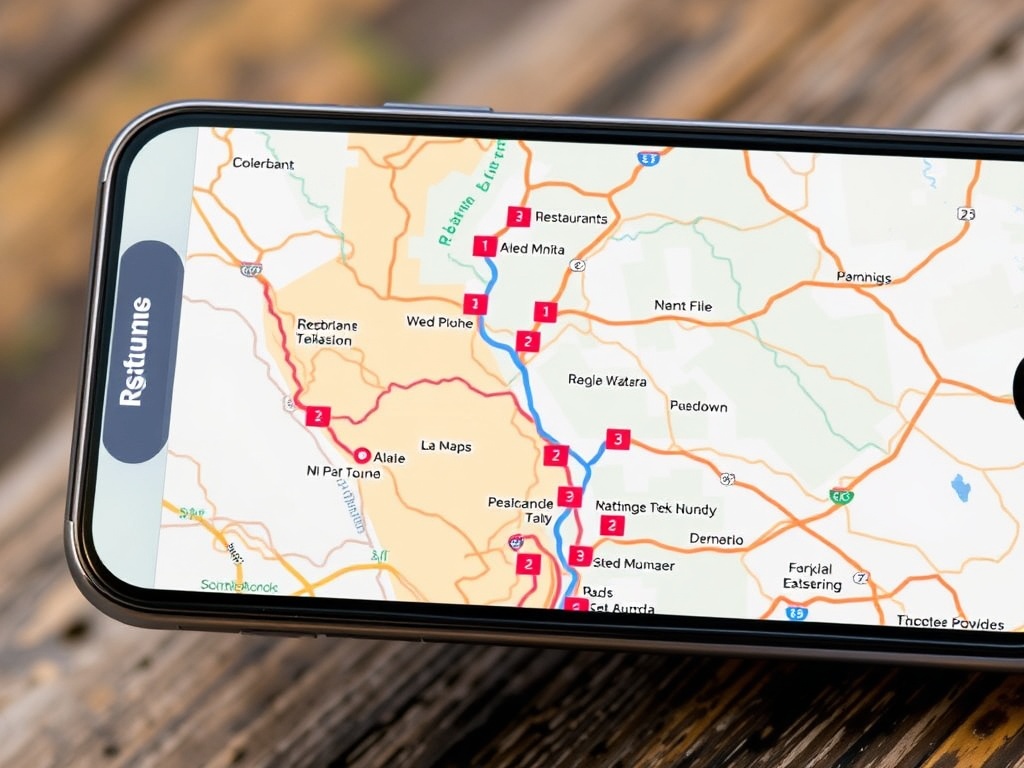
2. The Map (Where Most Trips Break)
Google Maps is not a suggestion—it’s the backbone.
Create layers:
- Lodging
- Food (confirmed vs backup)
- Activities
- Emergency (hospital, gas, grocery)
This is how you avoid the 11 PM "where are we eating" disaster. You already know.
3. The Itinerary (Respect People’s Time)
You don’t need a military schedule. But you do need anchors:
- Arrival windows
- Key reservations (dinners, tours)
- Departure logistics
Everything else can flex. But if dinner is booked at 7:30 and transportation is solved, the day can breathe around it.
The Execution Rule Nobody Talks About
Here’s where even good planners fail: they build the system, then don’t enforce it.
The rule is simple:
If it’s not in the system, it doesn’t happen.
Your buddy wants to invite someone last minute? Cool—update the spreadsheet and cost split first. New dinner spot? Add it to the map and confirm availability.
This is how you avoid chaos disguised as spontaneity.

The "Dave" Problem (And How You Solve It)
Every group has a Dave. Shows up late. Forgets gear. Didn’t read the plan.
You don’t get mad—you design around him.
- Send one clean link (not five apps)
- Highlight "what you need to bring" clearly
- Add buffer time for arrivals
Competence isn’t about perfection—it’s about redundancy.
Cost Reality Check (Per Head)
Let’s put numbers to it so you understand why this matters.
- Flights: $300–$700
- Lodging (2–3 nights): $250–$600
- Food & drinks: $200–$400
- Activities: $100–$300
Total: $850–$2,000 per person
At that level, "winging it" isn’t casual—it’s reckless.
The High-Low Advantage
Once your system is dialed, you unlock the real benefit: contrast.
You can plan a brutal hike or full day on the water—and then land a perfect dinner reservation that feels earned.
That only works when the logistics are handled. Otherwise, you’re tired, hungry, and arguing over Yelp reviews.
What This Looks Like in Practice
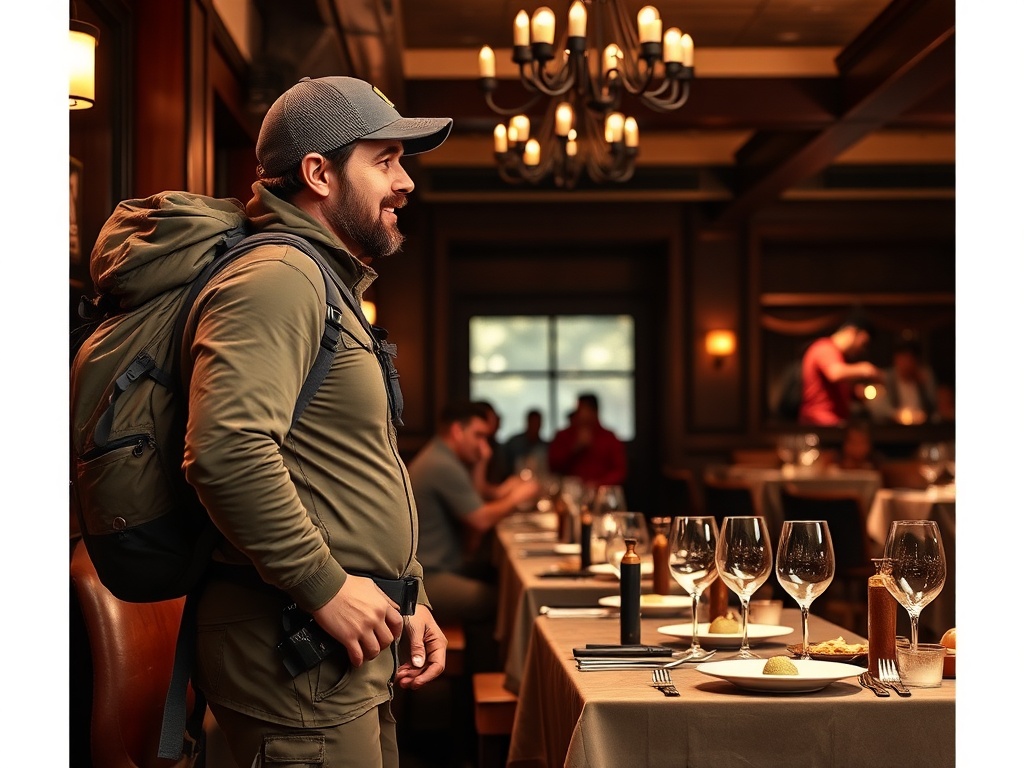
Six guys. Mountain town. Long weekend.
- Spreadsheet agreed at $1,200 per head before booking
- Airbnb locked with split documented
- Map includes 8 restaurants (2 reserved, 6 backup)
- Day 2 anchored with a fishing charter + 7 PM steak reservation
No debates. No confusion. Just execution.
Bottom Line
- The Tip: Build one system—spreadsheet, map, itinerary—and run everything through it
- Cost: Expect $850–$2,000 per head—act accordingly
- Biggest Risk: Booking before aligning on budget
- The Win: Zero money tension, zero "what are we doing" moments
Chief, you don’t need to be the fun guy—you need to be the competent one. The fun shows up automatically when the logistics are handled.