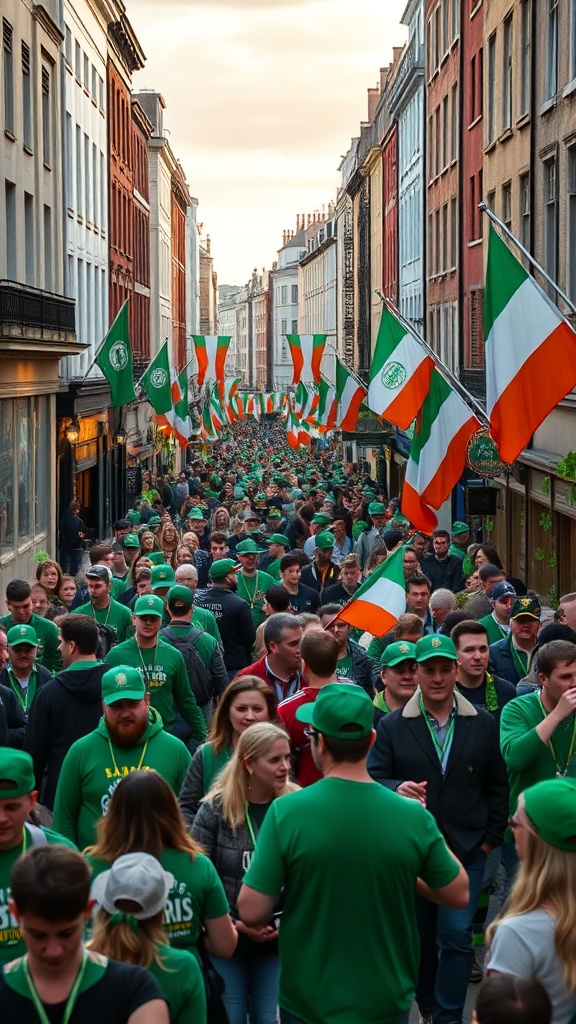
St. Patrick's Day Traditions: The Real Irish Ways You Should Know

What Makes St. Patrick's Day More Than Just a Green Party?
Most people think of the holiday as a reason to wear green and chase a leprechaun‑filled rainbow. In reality, it’s a centuries‑old cultural celebration that blends ancient Celtic rituals with modern Irish pride. Understanding the roots helps you appreciate why the day matters to locals and travelers alike.
How Did St. Patrick’s Legacy Turn Into a Global Celebration?
St. Patrick, a 5th‑century missionary, is credited with bringing Christianity to Ireland. Over time, his feast day merged with pre‑Christian spring festivals that honored the rebirth of nature. The Irish diaspora took the holiday abroad, and by the 20th century it had become a worldwide party, especially in the United States where Irish immigrants used it to showcase their heritage.
What Are the Core Irish Traditions Still Observed on March 17?
- Parades and Pipe Bands: Cities like Dublin, Belfast, and Cork host massive processions featuring marching bands, traditional dancing, and floats that showcase Irish history.
- Food and Drink: Classic dishes such as corned beef and cabbage (more popular in the U.S.), Irish stew, soda bread, and a pint of Guinness or a drams of Irish whiskey.
- Religious Services: Many Irish families attend a special Mass honoring St. Patrick, often followed by a communal breakfast.
- Green Symbolism: The color green represents the Emerald Isle, the spring season, and the legend of the “faeries” that protect the land.
- Folklore and Music: Stories of leprechauns, banshees, and Celtic myths are retold around pubs while fiddles, bodhráns, and harps fill the air.
Which Regional Variations Should You Know When Traveling?
Even within Ireland, celebrations differ. In Galway, you’ll find street performers and a massive fireworks show over the River Corrib. Dublin’s St. Patrick’s Day Parade is the largest on the island, drawing over a million spectators. In the north, Ulster towns often blend the holiday with local patron saint festivals, adding a unique mix of music and Gaelic football matches.
How Can You Experience Authentic Irish Festivities Without Going Crazy on the Budget?
Plan ahead: book accommodations early (the best B&Bs fill up weeks before the holiday), use public transport to avoid parking fees, and focus on free or low‑cost events like city parades, church services, and community street markets. Many pubs offer “green‑beer” specials—just a pint of Guinness with a splash of mint or a dash of Irish cream.
What Should You Avoid to Respect Local Customs?
- Don’t assume every Irish person drinks whiskey or wears green all day—participation varies.
- Avoid cultural clichés like “leprechaun hunting” tours; they’re tourist traps that rarely reflect authentic heritage.
- Respect the religious aspect: if you attend a Mass, dress modestly and stay for the entire service.
What Are Some Lesser‑Known Traditions That Add Extra Fun?
- “Drowning the Shamrock”: In some villages, a small green plant is briefly submerged in water to symbolize the cleansing power of spring.
- “The Irish Flag Raising”: Many towns raise the Irish tricolor at sunrise, followed by a communal “cheers” with a local brew.
- “Traditional Irish Games”: You might see sack races, tug‑of‑war, and Gaelic football matches organized by community centers.
Takeaway: How to Make the Most of St. Patrick’s Day, Whether at Home or Abroad
Embrace the cultural roots, not just the party hype. Attend a local parade, try an authentic dish, and respect the religious side of the day. If you’re traveling, book early, use public transit, and seek out community‑run events for a genuine taste of Irish hospitality.
Related Reading
- St. Patrick's Day Around the World: Unusual Traditions — A look at how the holiday is celebrated far beyond Ireland.
- St. Patrick's Day Group Travel 2026: Friendship Logistics Blueprint — Tips for planning a group trip to Dublin during the festivities.
- Bachelor Party Planning for First‑Timers — Even if you’re not celebrating with a party, the logistics advice applies to any group event.