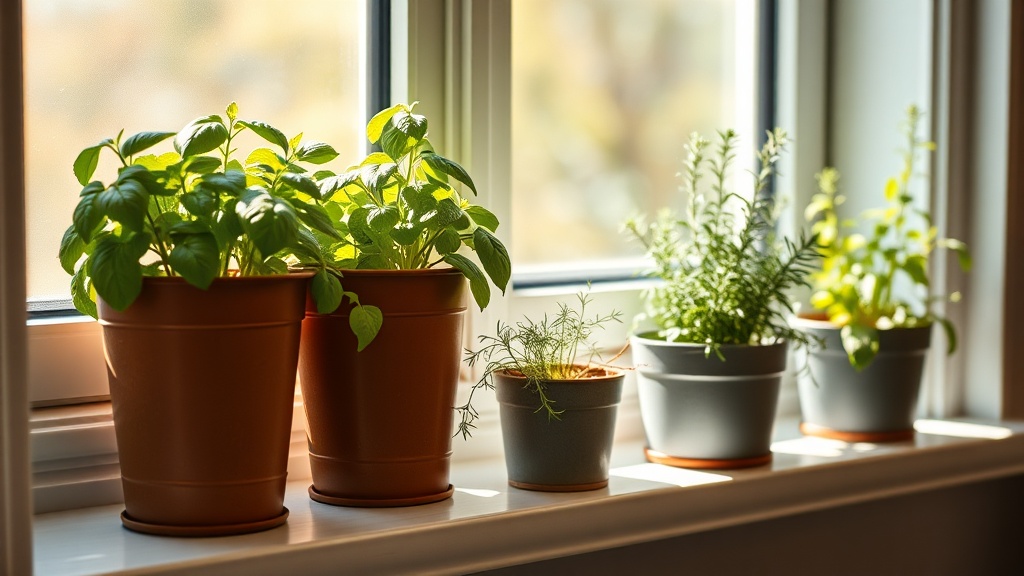
Spring Refresh: Mini Indoor Herb Garden for Fresh Cooking

Hook:
Ever wonder why the kitchen smells like a farmer’s market on a crisp spring morning? A tiny indoor herb garden can turn that dream into reality—no backyard required.
Context:
Spring is the perfect time to start herbs indoors before the sun‑soaked days arrive. Fresh herbs not only crank up flavor in your meals but also deliver stress‑reducing aromatics that align with the 2026 six‑pillar wellness model.
What herbs should a beginner grow?
Choosing low‑maintenance varieties sets you up for success. Which herbs are easiest for a windowsill?
- Basil – loves warmth and bright light.
- Mint – thrives in shade; keep it in its own pot to prevent invasiveness.
- Rosemary – prefers drier soil and plenty of sun.
- Thyme – tolerant of varied light, perfect for seasoning.
- Parsley – a versatile garnish that tolerates cooler spots.
How do I pick the right containers?
Containers affect drainage, aesthetics, and space efficiency. What container options balance function and style?
- Reusable glass jars – clear view of root growth, easy to repurpose.
- Terracotta pots – porous, helps prevent over‑watering.
- Upcycled wooden crates – add rustic charm (see our upcycled vintage crate guide for a DIY makeover).
- Self‑watering herb planters – great for busy planners who forget to water.
Where should I place my garden?
Light is the lifeblood of herbs. Which window spot maximizes growth?
- South‑facing windows receive 6‑8 hours of direct sunlight.
- East‑facing windows give a gentle morning glow, ideal for basil.
- Use a grow light if natural light is limited; a 12‑hour LED schedule mimics spring daylight.
How often should I water?
Over‑watering kills more plants than under‑watering. What’s the watering rule of thumb?
- Check the top inch of soil – water when it feels dry.
- Use a saucer to catch excess water and avoid root rot.
- Mist mint leaves for humidity; it loves a humid micro‑climate.
Harvesting: When and how?
Harvesting encourages new growth. When can I start snipping?
- Basil & mint – pinch leaves once the plant is 6‑inch tall.
- Rosemary & thyme – trim the top third after the plant establishes a sturdy stem.
- Use clean scissors to avoid disease transmission.
Incorporating herbs into everyday meals
Fresh herbs are the secret sauce of wellness cooking. What are simple ways to use my harvest?
- Morning smoothie – blend a handful of mint with cucumber and lime for a refreshing boost.
- Quick pasta – toss basil and thyme into olive oil, drizzle over spaghetti.
- Grilled veggies – sprinkle rosemary before hitting the grill for a fragrant char.
- Salad dressing – whisk parsley, lemon juice, and olive oil for a zingy vinaigrette.
How does growing herbs support wellness?
Scientific studies show that aromatic herbs can lower cortisol and improve mood. According to a Harvard Health article, basil and mint contain compounds that reduce stress and aid digestion.
Common pitfalls and quick fixes
- Yellow leaves – likely over‑watering; let soil dry longer.
- Leggy stems – insufficient light; move closer to window or add a grow light.
- Pest invasion – introduce neem oil spray bi‑weekly.
Takeaway
A mini indoor herb garden is a low‑cost, high‑impact spring refresh that fuels fresh cooking, cuts grocery bills, and adds a daily dose of wellness. Start with a few hardy herbs, choose the right containers, and watch your kitchen transform into a fragrant, sustainable oasis.
Related Reading:
- Spring Bio‑Harmony: 7‑Day Meal Plan for Your Circadian Rhythm – Pair fresh herbs with a rhythm‑aligned diet.
- Spring Wardrobe Refresh: Sustainable Fashion Tips for IWD – Extend your spring renewal beyond the kitchen.
- Upcycle Vintage Furniture for Modern Style – DIY container ideas for your herb garden.