Spring Refresh: Upcycle Vintage Furniture for Modern Style

Ever stare at a dated dresser and wonder if it could become the centerpiece of your spring refresh? You’re not alone. With a little creativity, vintage furniture can be transformed into modern, eco‑friendly statements that save you cash and the planet.
Spring is the perfect time to tackle a home makeover without breaking the bank. By repurposing pieces you already own—or finding a thrift‑store gem—you get the satisfaction of a DIY project and the peace of mind that comes from sustainable décor. Below are three practical upcycling projects, each with step‑by‑step instructions, cost estimates, and sustainability tips you can start this weekend.
What are three easy upcycling projects that turn vintage furniture into modern statement pieces?
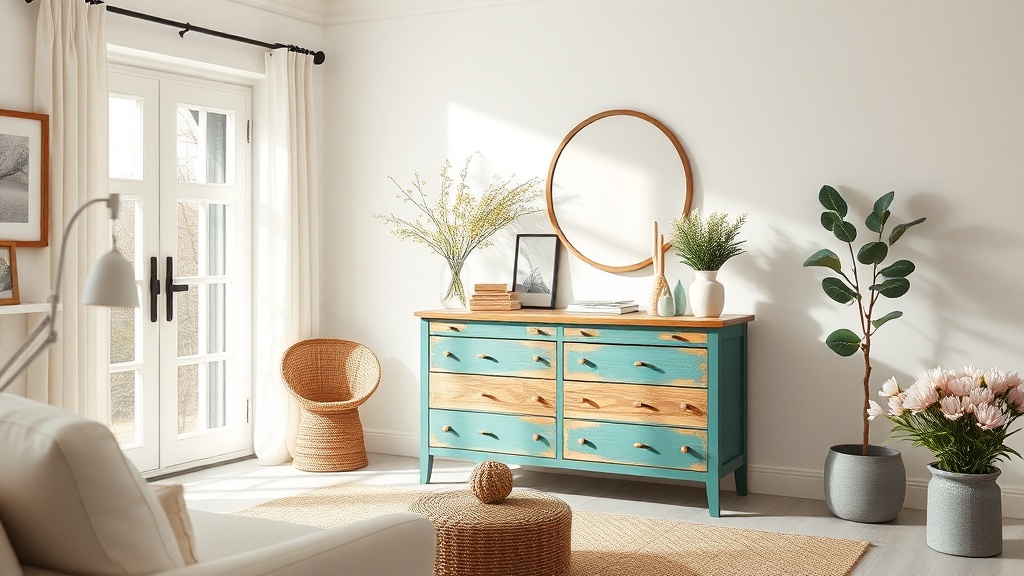
How can I turn an old wooden dresser into a bold, teal‑painted focal point?
Why this works: A fresh coat of paint instantly modernizes a dated dresser, and a teal hue adds a spring‑time pop of color while still feeling sophisticated.
- Materials (≈ $30):
- Sandpaper (120‑ and 220‑grit)
- Primer (spray or brush‑on)
- Matte teal paint (2‑gal bucket)
- New hardware — brushed brass knobs (optional)
- Drop cloth and painter’s tape
- Steps:
- Clear the dresser, remove existing knobs, and place it on a protected surface.
- Sand the entire surface to remove old finish and create a smooth base.
- Wipe down with a damp cloth, then apply a thin coat of primer. Let dry 1‑2 hours.
- Paint with matte teal in two thin coats, allowing each coat to dry fully.
- Swap in new brass hardware for a modern touch, or keep the original for a mixed‑material vibe.
- Allow the dresser to cure 24 hours before loading it with linens or décor.
- Sustainability tip: Choose low‑VOC (volatile organic compound) paint to reduce indoor air pollutants. Reuse the original knobs on another piece to keep waste low.
Result: A sleek, teal‑finished dresser that anchors a living‑room or bedroom with a pop of spring color — perfect for displaying fresh linens or potted succulents.
How do I convert a vintage coffee table into a stylish, double‑height console?
Why this works: A coffee table’s low profile makes it a natural candidate for a taller console, giving you extra surface area for entryway décor or a hallway gallery.
- Materials (≈ $45):
- Wooden coffee table (solid wood or sturdy veneer)
- Two 2 × 4 lumber pieces (8 ft, for legs)
- Wood screws, wood glue
- Stain or paint of your choice
- Rubber feet (optional, for floor protection)
- Steps:
- Measure the coffee table’s width and depth; cut the 2 × 4s to the desired console height (typically 36‑48 in).
- Attach the legs to the underside of the table using wood screws and glue, ensuring they’re flush and level.
- Reinforce with corner brackets for extra stability.
- Sand any rough edges, then stain or paint to match your existing décor.
- Attach rubber feet to the bottom of the legs to protect flooring.
- Allow the finish to cure 24 hours, then style with a tray, plants, or a row of framed photos.
- Sustainability tip: Repurpose the coffee table’s original wood as a small side table or a set of coasters, ensuring nothing goes to waste.
Result: A double‑height console that adds visual interest to entryways while giving you a functional display surface — perfect for the season’s fresh plants.
How can I give a vintage wooden chair a fresh, modern look without buying a new one?
Why this works: Chairs are often the most overlooked pieces in a thrift‑store find. A simple upholstery swap and a paint refresh can make the chair feel brand‑new and cohesive with a modern interior.
- Materials (≈ $55):
- Sandpaper (150‑ and 320‑grit)
- Chalk paint in a neutral tone (e.g., warm gray)
- Foam cushion (cut to seat dimensions)
- Upholstery fabric (recycled polyester works well)
- Staple gun and staples
- Protective drop cloth
- Steps:
- Disassemble the chair if possible; remove the original seat.
- Sand the wooden frame lightly to promote paint adhesion.
- Apply one coat of chalk paint; let dry 1 hour.
- Cut foam to fit the seat, then cover with fabric, securing with a staple gun.
- Re‑attach the seat to the frame and touch up any paint scratches.
- Optional: Add a protective clear coat for durability in high‑traffic areas.
- Sustainability tip: Choose fabric made from recycled fibers and purchase foam from a local scrap store to keep the carbon footprint low.
Result: A refreshed chair that blends seamlessly with a modern sofa or dining set, giving your spring refresh a cohesive, curated feel.
How do I keep these projects budget‑friendly and eco‑conscious?
All three projects stay under $100, especially if you hunt for materials at local thrift stores, garage sales, or online marketplaces like Facebook Marketplace. Look for paint‑clearance bins, reclaimed‑wood bundles, and fabric remnants — these often cost a fraction of retail prices while adding a story to each piece.
For a deeper dive into sustainable home upgrades, check out my Spring Refresh: Eco‑Friendly Flooring Inspired by Paige Thalia post, where I break down flooring options that pair perfectly with upcycled furniture.
Need more DIY inspiration? My Group Trip Deposit Playbook shows how to budget for large projects — whether it’s a shared vacation or a shared living‑room makeover.
What’s the next step after I’ve finished my upcycled pieces?
Once your furniture is transformed, style it with a few spring‑time accessories: a handful of fresh‑cut flowers, a woven rug, or a set of reclaimed‑wood picture frames. The goal is to let the upcycled pieces shine without overcrowding the space.
Finally, document your process with before‑and‑after photos. Not only does this give you a portfolio for future projects, it also helps other planners see the value of sustainable DIY — something I champion in every group‑trip blueprint.
Takeaway
Spring is the ideal season to blend sustainability with style. By repainting a dresser, raising a coffee table into a console, and re‑upholstering a vintage chair, you can refresh your home for under $100 per project, reduce waste, and showcase a personal touch that friends will notice on their next visit. Grab a sandpaper, a paint can, and a vision — your modern‑vintage spring refresh starts now.
[featured-image src="https://images.realcontent.blog/guystrip/migrated/fal/371f76319c3e368d.jpg" alt="Bright, airy living room with a reclaimed vintage wooden dresser painted teal, surrounded by spring flowers" width="100%"] { "meta": { "faqs": [ {"question": "What paint finish is best for vintage furniture?", "answer": "A matte or low‑sheen chalk paint gives a modern look while hiding minor imperfections and is easy to touch up."}, {"question": "Can I upcycle furniture without a paint sprayer?", "answer": "Yes. Brush‑on paint works fine for smaller pieces; just apply thin, even coats and allow proper drying time."}, {"question": "How do I choose sustainable fabric for upholstery?", "answer": "Look for recycled polyester or organic cotton fabrics, and buy remnants to minimize waste."} ] } }