Spring Bio-Harmony: 7-Day Meal Plan for Your Circadian Rhythm

Spring Bio-Harmony: 7-Day Meal Plan for Your Circadian Rhythm
Hook: Ever feel like daylight saving turned your body into a confused tourist? The good news is you can coax your internal clock back into line with a few meals, a solid sleep window, and a couple of easy movement tweaks.
Context: As the clocks jump forward this weekend, many of us experience that "lost-hour" fog. Aligning food, sleep, and activity with the new light cycle—what I call Bio‑Harmony—turns the seasonal reset into a performance upgrade rather than a setback.
What Is Bio‑Harmony and Why Does It Matter This Spring?
Bio‑Harmony is the practice of syncing your daily rhythms—eating, sleeping, moving—with the natural circadian rhythm. When light, food, and activity line up, hormones like cortisol, melatonin, and insulin follow a predictable pattern, leading to better energy, focus, and recovery. The springtime shift is a perfect catalyst because daylight hours lengthen, and the body is primed to adjust.
How Does Daylight Saving Impact My Internal Clock?
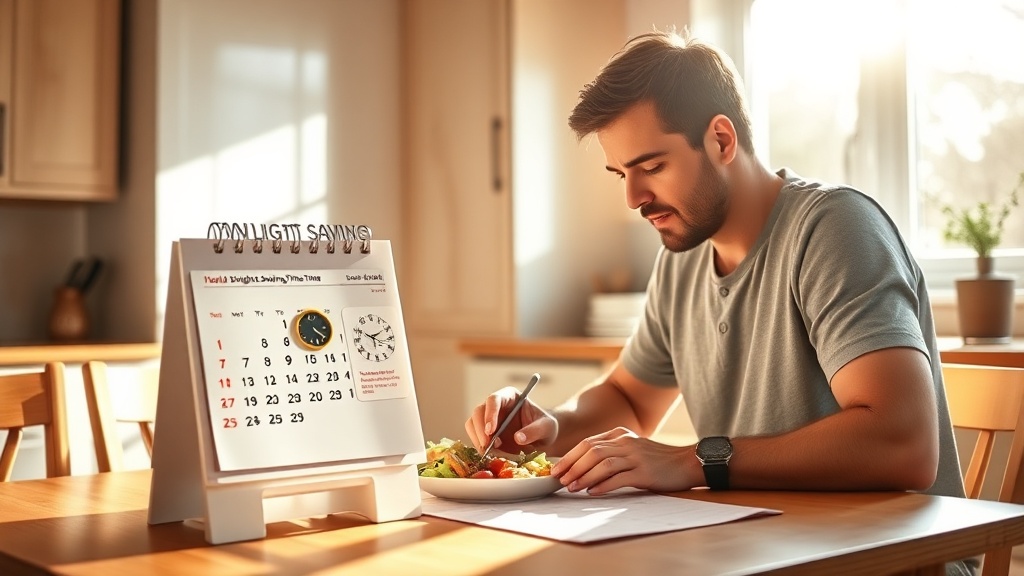
Research from the CDC shows that the one‑hour jump can delay melatonin release by up to 30 minutes, which in turn pushes hunger cues later in the day. The result? Late‑night cravings, sluggish mornings, and a dip in workout performance.
Which Meals Should I Eat When to Stay in Sync?
Timing matters more than the exact calories. The science behind circadian‑aligned eating suggests a larger breakfast, moderate lunch, and a light dinner before 7 p.m. This pattern leverages the body’s natural insulin sensitivity spike in the morning and lets melatonin wind down unimpeded after dark.
7‑Day Spring Bio‑Harmony Meal Plan
| Day | Breakfast | Lunch | Dinner |
|---|---|---|---|
| Mon | Greek yogurt + berries + chia (high protein, low carbs) | Grilled chicken salad with mixed greens, olive oil vinaigrette | Baked salmon, quinoa, steamed asparagus (finish by 6:30 p.m.) |
| Tue | Scrambled eggs, spinach, whole‑grain toast | Turkey wrap with hummus, carrot sticks | Stir‑fried tofu, brown rice, broccoli (light soy sauce) |
| Wed | Overnight oats with almond milk, banana, walnuts | Lentil soup, side salad, whole‑grain roll | Grilled shrimp, sweet potato wedges, green beans |
| Thu | Protein smoothie (pea protein, kale, pineapple) | Quinoa bowl with black beans, corn, avocado | Turkey meatballs, marinara, zucchini noodles (serve by 6 p.m.) |
| Fri | Cottage cheese, sliced peach, cinnamon | Grilled veggie panini with pesto | Baked cod, wild rice, roasted carrots (early dinner) |
| Sat | Whole‑grain pancakes, maple syrup, turkey bacon | Chicken Caesar salad (light dressing) | Veggie‑loaded stir fry with tempeh, served before 7 p.m. |
| Sun | Avocado toast, poached egg, cherry tomatoes | Sushi bowl with brown rice, salmon, cucumber | Light vegetable soup, side of whole‑grain crackers (finish by 6 p.m.) |
Tip: Keep the dinner window under 2 hours before lights‑out. If you’re hungry after 7 p.m., reach for a small protein snack (e.g., a handful of almonds) to avoid spiking insulin.
What Simple Sleep Tweaks Can I Add Right Now?
1. Set a consistent wake‑up time. Even on weekends, aim for the same hour—your body loves predictability.
2. Expose yourself to natural light within the first hour. Open the curtains, step outside, or use a light therapy box if it’s still gray.
3. Dim blue‑light screens after 9 p.m. A pair of amber glasses does the trick without sacrificing your late‑night reading.
4. Wind down with a ritual. A quick stretch, a cup of herbal tea, and the same playlist signal to melatonin that bedtime is near.
Which Movement Hacks Keep My Rhythm in Check?
Movement isn’t just about burning calories; it’s a potent zeitgeber (time‑giver) for the circadian system. Here are three low‑effort hacks you can slot into any itinerary:
- Morning Sun Walk (15‑20 min). Aligns your core body temperature with daylight and boosts cortisol for alertness.
- Mid‑day Power‑Stretch (5 min). Simple dynamic stretches—leg swings, shoulder rolls—reset posture after a desk‑bound morning.
- Evening Light‑Flow Yoga (10 min). Focus on slow, breath‑centered poses that lower heart rate and prep melatonin release.
Even on a group trip, these micro‑sessions can be scheduled during coffee breaks or before a dinner gathering—no extra equipment required.
How Do I Track My Bio‑Harmony Progress?
Use a simple spreadsheet (my go‑to tool) with three columns: Meal Time, Sleep Window, Activity Slot. Log the start/end times each day and note energy levels on a 1‑5 scale. After a week, you’ll see patterns: a tighter sleep window usually correlates with steadier afternoon energy, and the meal‑timing column will highlight any drift caused by social events.
Ready to Deploy the Spring Reset?
Grab the Spring Break Anchor Traveler Protocol for a printable checklist, then pair it with the Culinary Trip Logistics Blueprint for budgeting tips. If you’re still figuring out the booking side, the Spring Trip Verification Protocol walks you through safe reservations. For a broader seasonal strategy, check out the 2026 Shoulder Season Playbook.
Takeaway
Spring’s daylight shift is a chance to reboot, not a penalty. By front‑loading calories, locking a consistent sleep window, and sprinkling in short sun‑lit movement bursts, you’ll ride the season’s energy wave instead of fighting it. The 7‑day plan above is your launchpad—tweak it, track it, and watch your group’s morale (and metabolism) climb.