How to Plan a Group Remote Work Retreat That Actually Gets Done

Why a Remote Work Retreat Can Be the Ultimate Group Trip Solution
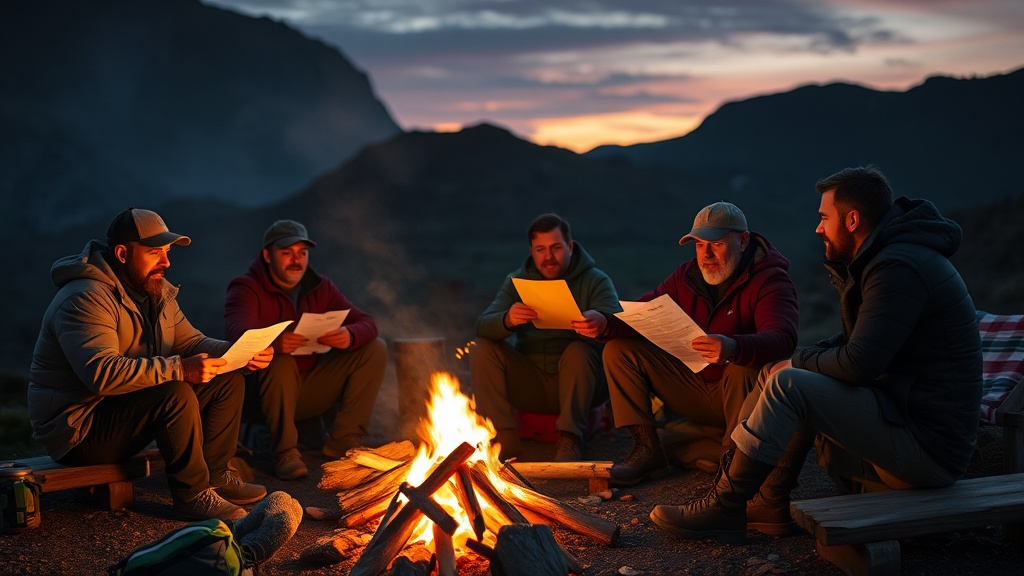
Imagine swapping the office coffee machine for a campfire, the endless Zoom background for mountain vistas, and still hitting every deadline. Remote‑work retreats are booming in 2026, but without a tight plan they can quickly turn into a chaotic vacation. This guide shows you how to blend productivity with adventure—exactly the kind of high‑low itinerary my readers crave.
What Are the Core Benefits of a Group Remote‑Work Retreat?
Before you dive into logistics, ask yourself:
- Focused collaboration: A shared environment cuts down on meeting fatigue and sparks real‑time brainstorming.
- Team bonding: Outdoor activities and shared meals build trust faster than a typical office happy hour.
- Cost efficiency: Group rates on lodging, cowork‑spaces, and transport shave off up to 30% of individual expenses.
According to Buffer’s State of Remote Work 2025 report, 68% of remote teams say a retreat boosted productivity for at least a month after the event.
How Do I Choose the Right Destination?
Pick a spot that balances reliable Wi‑Fi with genuine adventure. Ask these questions:
- Is there a coworking hub or dedicated work‑friendly hotel?
- Do nearby trails, lakes, or cultural sites offer low‑key downtime?
- Can you secure group discounts on accommodations and transport?
My go‑to list for 2026 includes:
- Asheville, NC – mountain‑view cabins with high‑speed internet.
- Lake Tahoe, CA – lakeside resorts that partner with local coworking spaces.
- Portland, OR – boutique hotels with on‑site meeting rooms and craft breweries.
What Tools Keep the Cash Flow Smooth?
Money talks, especially when you’re splitting lodging, meals, and coworking fees. Here’s a quick comparison of the top payment apps for group trips (see my full Payment Apps Showdown for deeper metrics):
| App | Fee per Transfer | Best For |
|---|---|---|
| Venmo | Free up to $1,000 | Quick splits among US‑based friends |
| Wise | 0.5% + $0.35 | International expenses, multi‑currency |
| Splitwise + PayPal | Free (PayPal fees apply) | Complex expense tracking with itemized bills |
Tip: Set up a dedicated “Retreat Fund” in Wise and share the link with the crew. It eliminates the dreaded “who owes what” email chain.
How Should I Structure the Daily Schedule?
Balance is key. A typical day looks like this:
- 08:00‑09:00 – Power‑up: Breakfast, Wi‑Fi check, and quick stand‑up.
- 09:00‑12:00 – Deep Work Block: No meetings, focus on high‑impact tasks.
- 12:00‑13:30 – Lunch & Light Hike: Refuel and stretch legs.
- 13:30‑15:30 – Collaborative Session: Pair‑programming, brainstorming, or client calls.
- 15:30‑17:00 – Flex Time: Catch‑up emails, optional workshops.
- Evening – Unwind: Group dinner, campfire, or local activity.
Use my Master Itinerary Spreadsheet to lock in these blocks and assign owners for each task.
What Gear Keeps Everyone Comfortable and Productive?
Beyond laptops, the right socks and a reliable power bank can save the day. Check out the Best Socks for Group Trips 2026 review for a quick list of durable, breathable options.
Don’t forget:
- Portable Wi‑Fi hotspot (e.g., Skyroam Sol).
- Noise‑cancelling headphones (Bose QuietComfort 45).
- Compact ergonomic laptop stand.
How Do I Keep the Momentum After the Retreat?
Schedule a 30‑minute debrief within a week. Capture three wins, two challenges, and a concrete action item for each team member. Store the notes in a shared Google Doc and revisit them during the next sprint planning.
Takeaway
Remote‑work retreats blend the best of group travel and focused productivity. By picking a Wi‑Fi‑ready destination, using a transparent payment system, and following a structured daily rhythm, you’ll return to the office (or home office) with fresh ideas and stronger bonds. Ready to lock in the dates? Grab the Top 5 Travel Planning Apps, set up your Wise “Retreat Fund,” and let the adventure begin.
FAQs
- What is the ideal Wi‑Fi speed for a remote‑work retreat? Aim for at least 25 Mbps download and 5 Mbps upload per person. Test the connection with a speed‑test app before you arrive.
- How many people can share a single coworking space? Most boutique spaces accommodate 5‑10 desks. For larger groups, book a private room or reserve the entire venue.
- Do I need to bring a separate power source? Yes. A high‑capacity power bank (20,000 mAh) and multiple surge‑protected extension cords keep everyone charged.
Steps
- 1
Set up a dedicated Wise retreat fund
Create a Wise account, generate a shared link, and invite all participants to contribute before any bookings are made.
- 2
Build a Master Itinerary Spreadsheet
Use my spreadsheet template to map work blocks, activities, and expense allocations for each day, assigning owners for each task.