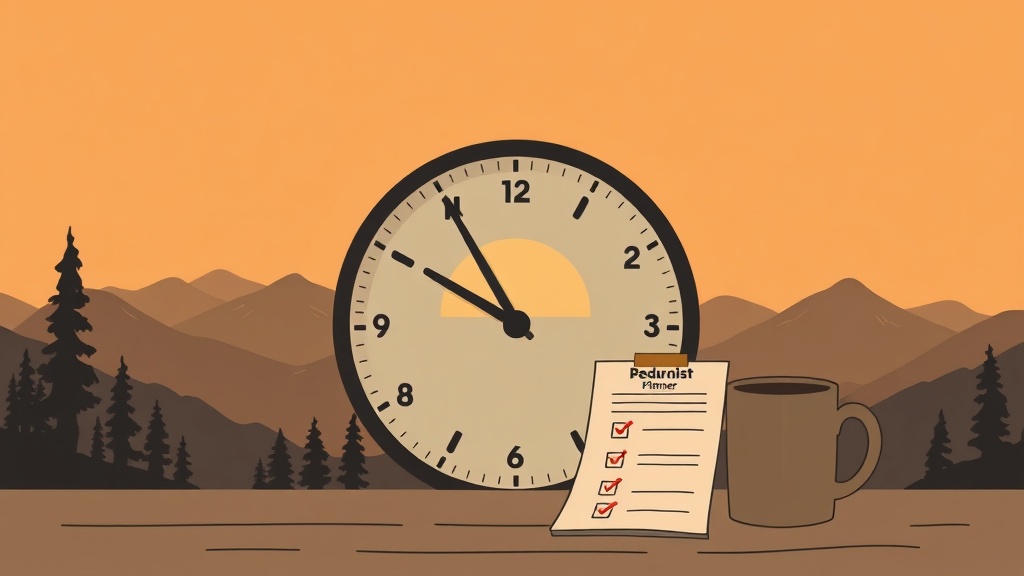
Daylight Saving Time: Simple Strategies to Beat the Spring Slump
Why does the clock change feel like a setback?
When daylight saving time (DST) jumps forward on March 8, many of us lose an hour of sleep and suddenly feel groggy, unfocused, and a bit cranky. The body’s internal clock—its circadian rhythm—relies on consistent light cues. A sudden shift throws that rhythm off, leading to what I call the "spring slump." The good news? You can out‑maneuver the shift with a few tactical moves, the same kind of precise planning I use for group trips.
What does the science say about the spring‑forward hour?
According to the CDC’s sleep health page, losing even a single hour can increase the risk of traffic accidents by up to 6% in the week after the change. A 2024 Nature Communications study found that sleep‑deprived adults showed a 15% drop in cognitive performance on tasks involving reaction time and decision‑making. In short, the slump is real—and measurable.
How can I prep my schedule before the clocks change?
- Start the shift early. Beginning three nights before DST, go to bed 10‑15 minutes earlier each night. By the time the clock jumps, your body has already adjusted.
- Lock in a consistent wake‑up time. Even on weekends, aim for the same rise hour. Consistency beats occasional "catch‑up" sleep.
- Use a light‑box. Exposure to bright light (2,500‑5,000 lux) for 20‑30 minutes in the morning accelerates the circadian reset. Sleep Foundation recommends positioning the box 12‑18 inches from your face.
Which morning habits keep energy high after the jump?
- Hydrate first thing. A glass of water signals your brain to wake up and jump‑starts metabolism.
- Move your body. Ten minutes of light cardio—jumping jacks, a quick jog, or even a brisk walk—boosts cortisol levels in a healthy way, sharpening focus.
- Prioritize protein. A protein‑rich breakfast (eggs, Greek yogurt, or a protein shake) stabilizes blood sugar, preventing the mid‑morning crash that many feel after losing sleep.
What role does evening light play in the transition?
Evening exposure to blue‑rich light (phones, tablets, LEDs) can push your internal clock later, making the spring jump feel harsher. Turn off screens at least one hour before bed, or use blue‑light blocking glasses if you must work late.
Can I use travel‑planning tools to manage my sleep shift?
Think of your sleep schedule as a mini‑itinerary. I treat it the same way I would a group trip: create a spreadsheet, assign time blocks, and set reminders. Here’s a quick template you can copy into Google Sheets or Excel:
Date | Bedtime | Wake‑up | Light‑box (min) | Notes
--- | --- | --- | --- | ---
Mar 5 | 10:30 pm | 6:30 am | 0 | Start 10‑min earlier
Mar 6 | 10:20 pm | 6:30 am | 0 |
Mar 7 | 10:10 pm | 6:30 am | 0 |
Mar 8 (DST) | 9:00 pm | 6:30 am | 20 | Light‑box at 6:45 am
Feel free to tweak the numbers; the principle is the same: incremental adjustments + a clear visual cue.
Where can I find more detailed guidance?
For a deeper dive into the science of circadian rhythms, check out my DST & Real ID Ops Plan post, which outlines how daylight saving impacts travel logistics and how to mitigate them. I also recommend the New York Times piece on sleep health and DST for a broader perspective.
Takeaway: Your 3‑Day Spring‑Forward Playbook
- Begin shifting bedtime 10‑15 min earlier three nights before DST.
- Expose yourself to bright morning light (or a light‑box) for 20‑30 min on day 1 and day 2.
- Hydrate, move, and eat protein first thing to lock in energy.
- Dim screens after 9 pm; consider blue‑light blockers if you must work late.
- Log the plan in a simple spreadsheet and treat it like any other group‑trip itinerary.
Follow this playbook, and you’ll avoid the dreaded spring slump, stay productive, and keep the good vibes rolling into the longer daylight hours. Your next adventure—whether a weekend road trip or a marathon meeting—will thank you.