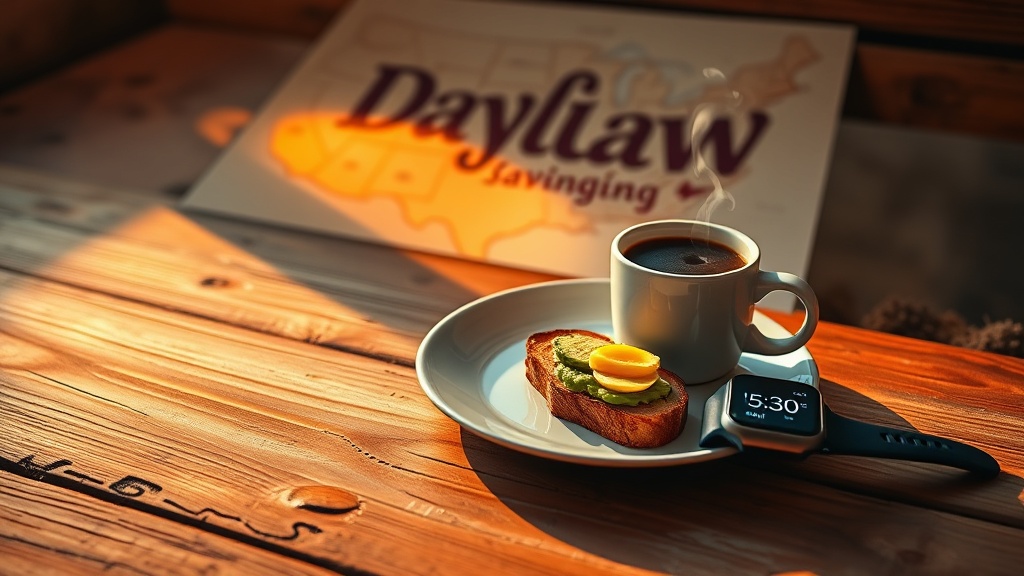
Bio‑Harmony Meals: Sync Your Eating with Your Circadian Rhythm

Ever feel like you’re crashing after lunch, only to power through dinner like a champ? That’s not just bad luck—it’s a classic mismatch between your meals and your internal clock.
When daylight‑saving time nudges the sun an hour ahead, many of us scramble to adjust our sleep schedule, but we often forget the most critical element: when we eat.
Why does meal timing matter for your circadian rhythm?
Our bodies run on a 24‑hour master clock that regulates hormones, metabolism, and even gene expression. Research shows that eating late in the day spikes blood sugar and disrupts sleep (PMID: 10528427). Aligning meals with daylight hours helps keep insulin sensitivity high and reduces inflammation.
How does daylight‑saving time throw your eating schedule off‑balance?
Spring forward gives you an extra hour of daylight, but it also compresses the window between breakfast and lunch. If you keep your old meal times, you end up eating later relative to the sun, which can blunt the benefits of the time change. The result? Mid‑day fatigue, slower recovery after workouts, and a higher chance of late‑night cravings.
What are the three core pillars of bio‑harmony eating?
- Morning Fuel. Aim for a protein‑rich breakfast within the first two hours after waking. Think eggs, Greek yogurt, or a hearty oatmeal with nuts. This jump‑starts cortisol and sets a metabolic tone for the day.
- Mid‑Day Alignment. Keep lunch between 11 am and 1 pm, ideally before the sun hits its peak. Choose complex carbs and lean protein to sustain energy without a post‑lunch slump.
- Early Evening Closure. Finish your last substantial meal by 7 pm (or earlier during DST). A light dinner of fish, veggies, and healthy fats supports melatonin production and improves sleep quality.
How can I implement these pillars on a group trip?
Group travel adds logistics, but the same principles apply. Here’s a quick‑hit checklist you can paste into your master itinerary:
- Set a Meal‑Time Window in your shared Google Sheet (e.g., 07:00‑09:00 breakfast, 12:00‑13:30 lunch, 18:00‑19:00 dinner).
- Assign a Meal‑Lead for each day who ensures the crew sticks to the schedule.
- Pack portable, protein‑dense snacks (jerky, nuts, protein bars) for early‑morning hikes when a sit‑down breakfast isn’t feasible.
- When DST rolls around, shift every window forward by 30 minutes for the first three days, then let the crew naturally settle.
What does the NFL neurosurgeon say about longevity and timing?
In a recent Fox News interview, former NFL player‑turned‑neurosurgeon Dr. Myron Rolle highlighted “time‑restricted eating” as one of six pillars for long‑term health. He notes that aligning meals with natural light cycles reduces oxidative stress—a key factor in brain health and athletic performance.
Can I combine bio‑harmony with intermittent fasting?
Absolutely. A 16:8 schedule (16 hours fast, 8 hours eating) naturally forces your meals into the daylight window. Just make sure your eating window starts no later than 12 pm during DST to keep the fast aligned with the evening wind‑down.
What are common pitfalls and how do I avoid them?
- Skipping breakfast. Skipping the first meal throws off cortisol and can lead to overeating later.
- Late‑night carbs. Heavy carbs after 8 pm spike insulin and suppress melatonin.
- Inconsistent windows on the road. When you travel across time zones, adjust your meal windows gradually—30‑40 minutes per day—to avoid a “jet‑lag eating” crash.
Takeaway: Your next step to bio‑harmony
Start by mapping out a simple Meal‑Time Window for the next week, sync it with your DST shift, and test the energy boost on a short weekend trip. Track how you feel in a quick spreadsheet—note energy levels, sleep quality, and cravings. Adjust the window by 15‑minute increments until you hit the sweet spot.
Want a deeper dive? Check out our 7‑Day Bio‑Harmony Meal Plan for a ready‑made schedule, or revisit the Daylight‑Saving Survival Guide for the exact time‑shift steps.
Remember: the best trips are the ones where logistics disappear and the experience shines. Aligning your meals with your body’s clock is the ultimate low‑effort upgrade.